

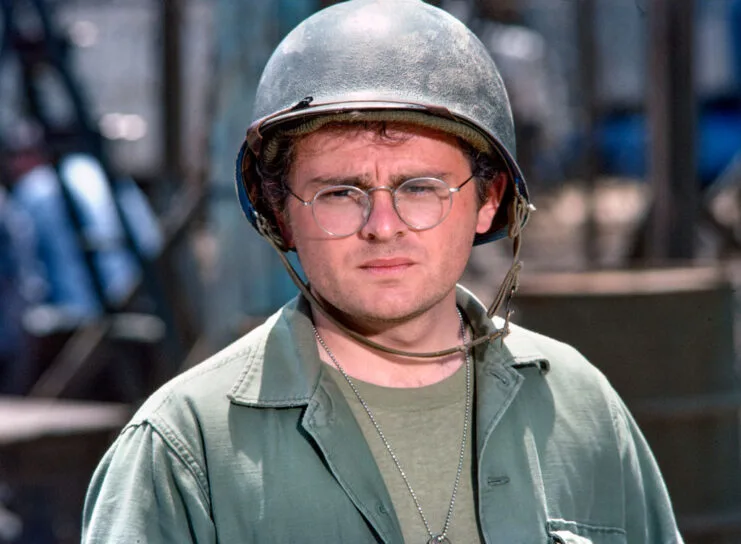
Few know that Radar O’Reilly, a beloved character from *M*A*S*H*, uses drumming as a means of coping with the stress of war. His musical talent not only provides moments of levity but also serves as a vehicle for personal expression amidst the chaos. The significance of his drumming goes beyond mere entertainment; it reflects his character’s growth and the emotional landscape of the series. What might this reveal about the deeper themes of the show and Radar’s journey?
Background on Radar O’Reilly
Radar O’Reilly, a beloved character from the iconic television series *M*A*S*H*, emerges as a quintessential embodiment of loyalty and ingenuity within the chaotic environment of the Korean War. As the unit’s company clerk, Radar navigates the complexities of military life with an uncanny intuition and resourcefulness that often surprises his superiors. He possesses an extraordinary ability to anticipate needs, whether it’s securing medical supplies or relaying crucial information, making him an indispensable asset to the 4077th.
Raised in a small town in Iowa, Radar’s humble beginnings shape his character, instilling a strong sense of duty and camaraderie. His loyalty to his friends and fellow soldiers is unwavering, often putting their well-being above his own.
Radar’s soft-spoken demeanor and innate kindness endear him to both the audience and his comrades, highlighting the humanity that persists even amidst war’s brutality.
His trademark communication style, characterized by a blend of earnestness and humor, underscores the show’s poignant exploration of friendship and sacrifice.
Ultimately, Radar O’Reilly stands as a symbol of hope, illustrating the power of compassion and ingenuity in the face of adversity.
Radar’s Musical Interests
Music plays a significant role in shaping Radar O’Reilly’s character, reflecting both his personality and the emotional landscape of the *M*A*S*H* series. Radar’s affinity for music serves as a comforting escape amid the chaos of war, showcasing his sensitivity and depth. His interest in melodies often highlights the contrast between his youthful innocence and the harsh realities surrounding him.
Radar’s musical interests can be observed through various aspects:
- He appreciates the power of music to uplift spirits and foster camaraderie among the soldiers.
- His enthusiasm for popular tunes of the era reveals his connection to the broader cultural context of the 1970s.
- Radar often uses music as a means to express his feelings, allowing viewers to glimpse his internal struggles.
- His interactions with other characters, especially through shared musical moments, emphasize the bonding experiences that transcend the battlefield.
These musical elements contribute to the show’s emotional resonance, allowing Radar to embody the hope and humanity that persist, even in dire situations. Through music, Radar O’Reilly becomes more than just a character; he represents the enduring spirit of those who lived through the tumultuous times of war.
Drumming in *M*A*S*H* Episodes
The rhythmic beats of drums often punctuate the scenes in *M*A*S*H*, serving as a powerful narrative device that enhances the emotional and thematic depth of the series. Drumming isn’t merely a backdrop; it’s a conduit for conveying the characters’ inner struggles and the chaotic environment of war.
In various episodes, the sound of drums acts as a heartbeat, mirroring the tension and urgency that permeates the lives of the characters. In moments of levity, the drums provide a sense of camaraderie, highlighting the characters’ resilience and their ability to find joy amid turmoil. Conversely, in more somber scenes, the drumming can shift to a slow, mournful tempo, underscoring the weight of loss and sacrifice.
This duality showcases the versatile role of drumming, adeptly reflecting the show’s balance of humor and tragedy. Moreover, the presence of drums reinforces the cultural backdrop of the 1950s and 60s, reminding viewers of the era’s musical influences.
Ultimately, the drumming in *M*A*S*H* serves not just as a musical element but as an integral part of storytelling, inviting audiences to engage more deeply with the characters and their experiences.
Behind-the-Scenes Insights
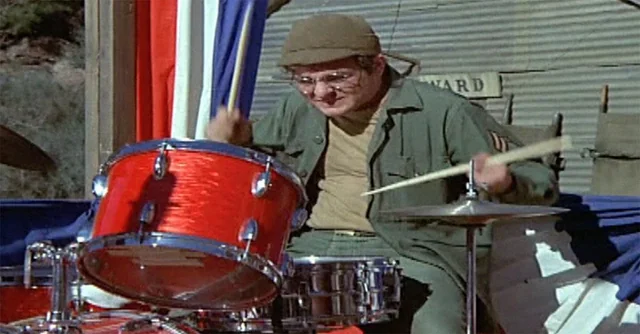
Behind the scenes of *M*A*S*H*, the intersection of Radar O’Reilly’s character and drumming reveals fascinating insights into the actor’s musical background and the complexities of filming drum scenes.
This connection not only enhanced the authenticity of the performances but also showcased the meticulous practices involved in integrating music into the show’s narrative.
Actor’s Musical Background
How did Radar O’Reilly’s musical talents shape his portrayal of the beloved character in *M*A*S*H*? Gary Burghoff, who played Radar, brought a unique musical background that enriched the character’s depth. Burghoff’s ability to play the drums and his overall musicality added an authentic layer to Radar’s persona, making him not just a lovable aide but also a character with a rich inner life.
His musical skills allowed for nuanced expressions of emotion, particularly in scenes where music played a significant role. This connection to music helped Burghoff embody Radar’s sensitivity and innocence, enhancing the show’s emotional resonance.
- Burghoff’s drumming experience gave him a rhythm that translated into his acting.
- His musicality helped him understand the subtleties of timing in comedic scenes.
- Burghoff often improvised, using music to create memorable moments.
- The musical bond among the cast fostered camaraderie, enriching their performances.
Incorporating his musical background into the role, Burghoff not only portrayed Radar as a quirky character but also as a relatable and endearing figure, further solidifying his place in television history.
Drum Scenes in M*A*S*H
Burghoff’s musical talents not only influenced his portrayal of Radar O’Reilly but also played a significant role in shaping several memorable drum scenes throughout *M*A*S*H*. These scenes, often infused with humor and poignancy, showcased not just Burghoff’s skills but also the show’s ability to blend lighthearted moments into the backdrop of war.
One standout moment occurs in the episode “The Price of Tomato Juice,” where Radar’s drumming serves to lift the spirits of his comrades amidst the chaos. The rhythmic tapping on makeshift drums creates a sense of camaraderie, illustrating how music can act as a refuge in turbulent times.
Another notable scene features Radar drumming to entertain the troops, highlighting his character’s nurturing spirit. Here, Burghoff’s performance underscores the emotional depth of a show that often balanced comedy with serious themes.
The drum scenes function as a narrative device, reinforcing Radar’s role as the heart of the 4077th. They invite audiences to engage with the characters on a deeper level, elevating the show beyond mere entertainment and leaving a lasting impact on viewers.
Behind-the-Scenes Practices
While the on-screen performances of *M*A*S*H* captivated audiences, the behind-the-scenes practices contributed greatly to the show’s unique blend of humor and heart. The cast and crew fostered a collaborative environment that encouraged creativity and experimentation. This teamwork was instrumental in shaping the series’ iconic moments, particularly those involving Radar O’Reilly and his drums.
Several key practices defined the production process:
- Improvisation: Actors often improvised lines, adding authenticity and spontaneity to their performances.
- Character Development: The writers worked closely with the actors, allowing them to influence their characters’ arcs, making them relatable and multi-dimensional.
- Rehearsal Routines: Regular rehearsals helped the cast build chemistry, ensuring their comedic timing resonated with viewers.
- Music Integration: The show’s creators intentionally blended music with storytelling, enhancing emotional depth and creating memorable scenes.
These behind-the-scenes elements not only enriched the narrative but also created a lasting legacy. The commitment to collaboration and innovation set *M*A*S*H* apart from other sitcoms, ensuring its place in television history.
Character Development and Music
In “Radar O’Reilly and Drums,” music serves as a vital vehicle for exploring Radar’s musical talent, shaping his character arc throughout the narrative.
His drumming not only showcases his skills but also reveals his emotional depth, allowing him to express feelings that words often can’t capture.
This interplay between music and character development highlights how drumming becomes an essential form of self-expression and transformation for Radar.
Musical Talent Exploration
Musical talent often serves as a profound avenue for character development, particularly in the case of Radar O’Reilly from the television series “M*A*S*H.” His ability to play the drums not only highlights his artistic skills but also reflects his emotional depth and complexity as a character.
Radar’s musicality becomes a lens through which viewers can explore his personality, bridging the gap between his role as a military aide and his individual aspirations.
Through his drumming, Radar expresses feelings that words often fail to convey. This talent allows him to connect with others, fostering camaraderie among the 4077th members.
Drumming symbolizes a release for Radar, showcasing his vulnerability in a high-stakes environment.
- Drumming serves as a coping mechanism for stress.
- It creates moments of levity amid the chaos of war.
- Radar’s passion for music reveals his youthful innocence.
- His performances resonate with the audience, deepening their emotional connection.
Impact on Character Arc
Radar O’Reilly’s journey through the series is intricately tied to his musical expression, particularly through his drumming. As he navigates the tumultuous environment of the 4077th M*A*S*H unit, his connection to music becomes an essential component of his character arc.
Drumming serves as a sanctuary for Radar, allowing him to channel his emotions while providing a sense of stability amid chaos.
Throughout the series, his growth is reflected in the rhythms he plays. Initially, Radar’s drumming is somewhat tentative, mirroring his struggle with self-confidence and his role as the unit’s go-to guy.
However, as he gains confidence and embraces his uniqueness, his drumming evolves, showcasing a newfound assertiveness.
This transformation emphasizes Radar’s journey from a shy, uncertain young man to a more self-assured individual. The drum acts not just as an instrument but as a metaphor for his internal growth.
Each beat resonates with the complexities of his experiences, encapsulating his emotional landscape and underscoring significant moments in his development.
Ultimately, Radar’s relationship with drumming enriches his character arc, highlighting the interplay between musical expression and personal evolution.
Drumming as Expression
Drumming serves as a powerful conduit for self-expression, allowing characters to convey their emotions and navigate their inner struggles. For many, rhythm becomes a language through which they articulate feelings that words often fail to capture. This unique form of expression can lead to profound character development, revealing layers of complexity in personality and emotion.
When characters engage in drumming, they often experience:
- Catharsis: The act of playing can release pent-up emotions, offering characters a means to confront their pain or joy.
- Connection: Drummers often find a sense of belonging within the music community, fostering relationships that enrich their narrative arcs.
- Identity: Through drumming, characters can explore and assert their individuality, defining themselves against societal expectations.
- Growth: As they master their craft, characters may confront their fears and insecurities, leading to personal transformation.
Ultimately, drumming transcends mere entertainment; it shapes characters’ journeys, allowing them to express the inexpressible and evolve in ways that resonate deeply with audiences. The rhythm of the drum becomes both a metaphor and a tool for development, making it an essential element in storytelling.
Fan Theories and Speculations
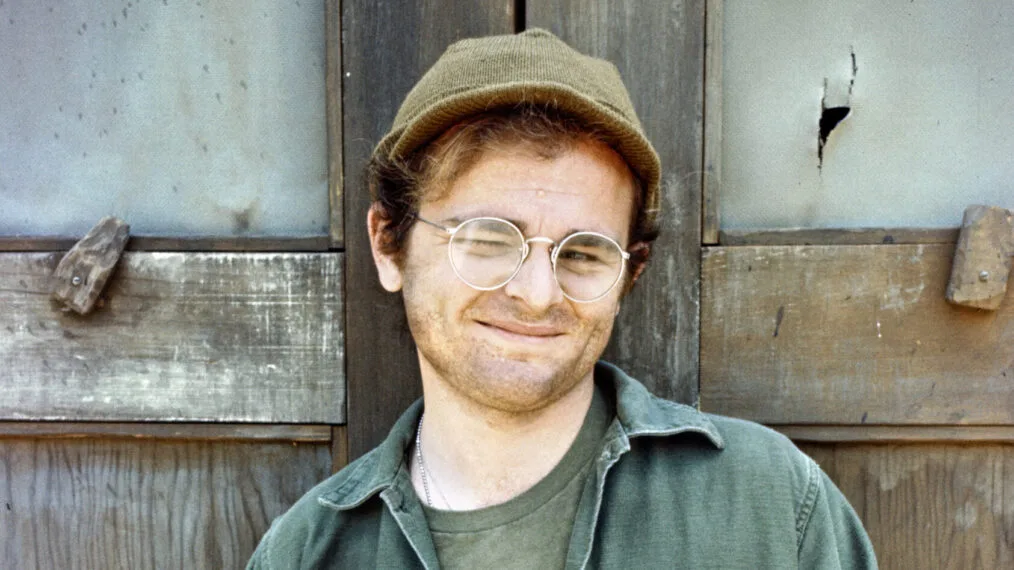
Many fans have speculated about the deeper meaning behind Radar O’Reilly‘s connection to drumming in the series. Some believe that his drumming represents a form of communication, a way for Radar to express emotions that words often fail to capture. This theory suggests that through rhythm, Radar connects with his fellow soldiers, creating a bond that transcends the chaos of war.
Others argue that his drumming symbolizes the heartbeat of the unit, underscoring the camaraderie and shared experiences among characters.
Another popular theory posits that Radar’s talent serves as a coping mechanism, allowing him to navigate the harsh realities of military life. Fans point to moments in the series where drumming acts as both an escape and a source of solace for Radar, suggesting that it helps him process trauma.
Moreover, some viewers speculate that his drumming hints at a hidden depth to his character—a creative spirit stifled by the rigors of military duty. This complexity adds layers to Radar O’Reilly, making him more than just a comic relief character.
Ultimately, these theories invite fans to explore the multifaceted nature of Radar’s personality and his unique role within the series.
The Legacy of Radar’s Talent
The legacy of Radar O’Reilly’s drumming extends far beyond mere entertainment; it encapsulates a poignant reflection of the human experience during wartime. His rhythmic talent served as a powerful form of communication among the soldiers, providing solace and camaraderie amidst the chaos and uncertainty of conflict.
Radar’s beats resonated with the struggles, hopes, and resilience of those around him, creating an emotional backdrop that transcended the battlefield.
Radar’s drumming can be seen as a metaphor for unity and survival, allowing soldiers to momentarily escape their harsh realities. The significance of his talent is underscored by several key aspects:
- Emotional release: Drumming offered an outlet for soldiers to express their feelings and frustrations.
- Camaraderie: Radar’s music fostered bonds among the men, reminding them they weren’t alone in their struggles.
- Cultural connection: His drumming bridged diverse backgrounds, creating a shared experience among different soldiers.
- Legacy of hope: Through his talent, Radar gave others a sense of hope, showcasing the power of creativity even in dire circumstances.
Ultimately, Radar O’Reilly’s drumming remains an enduring symbol of resilience and humanity in the face of adversity.
Conclusion
Radar O’Reilly’s drumming in *M*A*S*H* serves as a poignant reminder of the human spirit’s resilience amidst turmoil. Curiously, studies show that music can reduce stress levels by up to 65%, a proof of its power as a coping mechanism. Through Radar’s rhythmic expressions, viewers not only witness his personal growth but also feel the collective solace music offers to those in dire circumstances. His talent endures, reminding audiences of the healing potential found in creative outlets.