

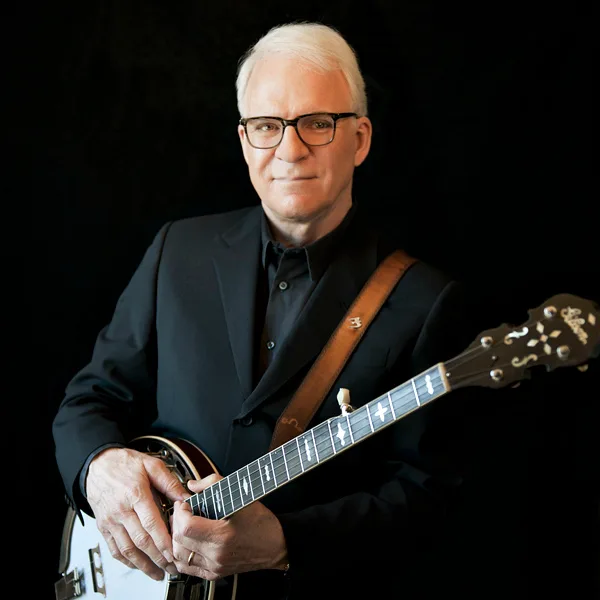
Many might not realize that Steve Martin’s musical talents extend far beyond his renowned banjo skills. While the banjo often takes center stage in his performances, he also integrates the guitar, adding depth to his unique blend of comedy and music. This raises an interesting question: how does Martin’s guitar playing influence his overall artistic expression? Exploring his collaborations and live performances reveals a multifaceted musician whose guitar work contributes greatly to his legacy.
Steve Martin’s Musical Background
Steve Martin’s musical background is as eclectic as his career, weaving together threads of comedy, acting, and artistry. He first gained recognition in the 1960s as a stand-up comedian, often incorporating music into his routines. This blend of humor and melody laid the groundwork for his eventual foray into the world of bluegrass and folk music. Martin’s affinity for music wasn’t merely a side project; it became a significant aspect of his artistic identity.
Throughout the years, he’s collaborated with various musicians, showcasing his talent not just as a performer but also as a songwriter. His 2009 album, “The Crow: New Songs for the Five-String Banjo,” received critical acclaim, highlighting his ability to merge storytelling with intricate musicality.
Martin’s passion for music extends beyond performance; he’s expressed a deep respect for the craft, often immersing himself in the history and nuances of the genres he explores.
His musical journey reflects a commitment to authenticity, illustrating how his comedic sensibilities harmonize with his artistic pursuits. This multifaceted approach to music enriches his overall persona, making Steve Martin a unique figure in both the entertainment and musical landscapes.
Instruments Played by Steve Martin
While many know him for his comedic genius and acting prowess, Martin’s musical talents shine through primarily with the banjo, which he’s embraced as a primary instrument. However, his musical repertoire extends beyond this stringed favorite. Martin also dabbles in the guitar, showcasing his versatility as a musician. Though he may not be as renowned for guitar playing, he occasionally incorporates it into performances, illustrating a broader musicality.
In addition to the banjo and guitar, Martin plays the harmonica, adding another layer to his artistic expression. This instrument complements his folk and bluegrass influences, enriching his musical style. His ability to switch between these instruments speaks to his adaptability and commitment to his craft.
Martin’s exploration of various instruments demonstrates a deep appreciation for music as an art form. By engaging with multiple instruments, he successfully connects with diverse audiences, blending humor with heartfelt melodies.
His musical journey reflects not just a pursuit of talent but also a genuine love for the craft, making him a multifaceted artist in the entertainment industry.
The Banjo: Martin’s Primary Instrument
The banjo stands out as Steve Martin’s primary instrument, a choice that highlights his deep connection to bluegrass and folk music. From an early age, Martin was captivated by the banjo’s unique sound, which resonated with his comedic roots and storytelling abilities. This instrument allowed him to blend his musical passion with his career in entertainment, culminating in a remarkable synergy between comedy and music.
Martin’s banjo playing showcases both technical proficiency and a genuine love for the genre. He’s not just a performer; he’s an avid advocate for bluegrass music, often collaborating with renowned musicians and participating in prestigious festivals.
His album “The Crow: New Songs for the Five-String Banjo” reflects his commitment to pushing the boundaries of traditional banjo music, incorporating innovative arrangements while honoring the genre’s roots.
Moreover, Martin’s banjo performances often draw large audiences, illustrating how he brings a fresh perspective to the instrument. By combining humor with his musical talent, he captivates fans, proving that the banjo can be both a serious instrument and an enjoyable medium for entertainment.
In doing so, Martin solidifies his identity as a multifaceted artist who transcends conventional boundaries.
Guitar in Martin’s Career
While Steve Martin is primarily known for his banjo skills, his guitar contributions play a significant role in his musical career.
From enhancing his comedic performances to collaborating with other artists, the guitar has been a versatile tool in his repertoire.
Exploring these aspects reveals how Martin’s guitar work complements his unique blend of humor and music.
Musical Comedy Performances
Steve Martin’s foray into musical comedy showcases his unique ability to blend humor with musical talent, particularly through his guitar performances. His comedic genius shines brightly when he incorporates the guitar into his acts, creating a distinctive experience that captivates audiences. By combining witty storytelling with skilled musicianship, Martin elevates his performances beyond traditional stand-up comedy.
Throughout his career, Martin has demonstrated an impressive command of the banjo and guitar, using these instruments as tools for both humor and musical expression. His performances often feature clever lyrics, satirical commentary, and self-deprecating humor, all delivered with impeccable timing. This approach not only entertains but also invites the audience to connect with his artistic persona.
Moreover, Martin’s commitment to musical comedy has helped revive interest in acoustic instruments within the comedy scene. His collaborative efforts with other musicians further enrich his performances, showcasing a synergy that enhances the comedic experience.
Album Contributions and Collaborations
Throughout his career, Martin has made significant contributions to the music scene, particularly through his albums that highlight his guitar skills. His debut album, “The Crow: New Songs for the Five-String Banjo,” released in 2009, showcases his ability to blend humor with musicianship, featuring original songs that demonstrate his mastery of the banjo and guitar. The album earned a Grammy Award, proving that Martin’s musical talents extend far beyond mere comedic performance.
In subsequent projects, Martin has collaborated with various artists, enhancing his musical repertoire. His partnership with the Steep Canyon Rangers exemplifies this synergy; together, they produced the album “Love Has Come for You,” which features heartfelt lyrics and intricate melodies. These collaborations not only emphasize Martin’s guitar playing but also highlight his role as a serious musician in the bluegrass genre.
Moreover, his contributions to soundtracks, such as “The Jerk” and “Three Amigos,” further solidify his status as a multifaceted artist. Through these albums and collaborations, Martin continues to redefine the intersection of comedy and music, proving that his guitar skills are a crucial aspect of his creative identity.
Collaborations With Guitarists
In a fascinating blend of comedy and music, Martin has collaborated with several renowned guitarists, showcasing his versatility as both a performer and a songwriter. One of his most notable partnerships is with the celebrated bluegrass musician and guitarist, Steep Canyon Rangers. Together, they’ve created a unique sound that fuses Martin’s comedic flair with the band’s traditional bluegrass roots. Their collaboration has yielded several albums, further solidifying Martin’s place in the music world.
Additionally, Martin has worked with other esteemed guitarists, such as Tony Rice, whose virtuosic playing complements Martin’s banjo skills. Through these collaborations, Martin not only explores different musical styles but also enriches his performances with intricate guitar work that enhances the overall experience for audiences.
Moreover, these partnerships highlight Martin’s appreciation for diverse musical talents, illustrating his commitment to pushing creative boundaries. By intertwining humor and music, he invites listeners into a world where laughter and melodies coexist harmoniously.
Ultimately, Martin’s collaborations with guitarists not only broaden his artistic scope but also reflect his passion for music, making his contributions to the genre both meaningful and memorable.
Live Performances and Guitar Use
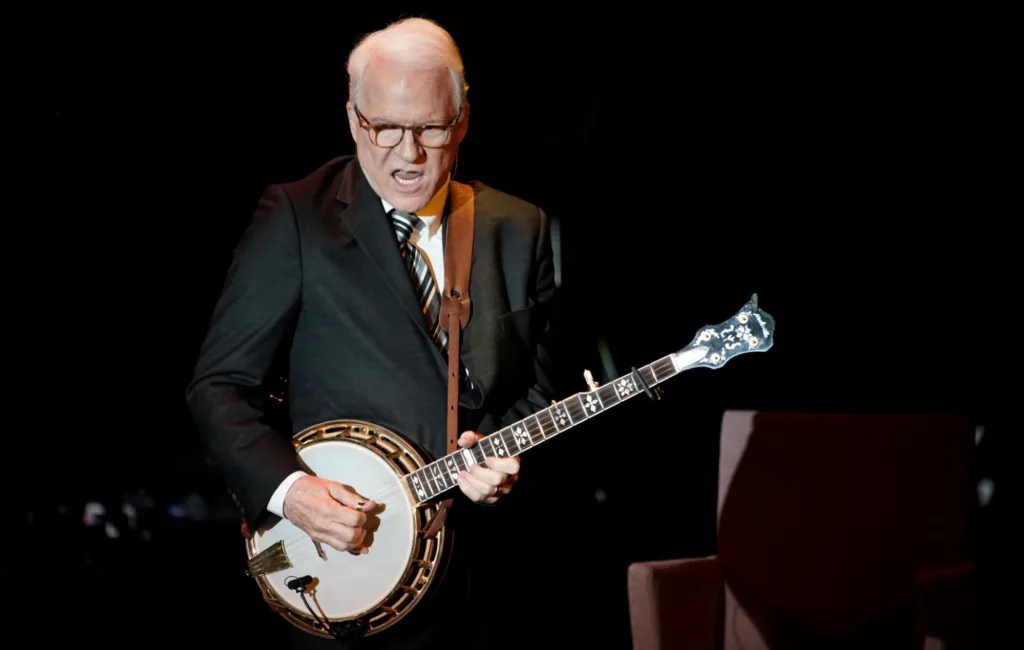
Steve Martin’s live performances reveal his unique blend of comedy and music, particularly through his use of the acoustic guitar.
These musical comedy shows not only showcase his comedic timing but also his skillful guitar playing, enchanting audiences with both humor and musicality.
Musical Comedy Shows
Musical comedy shows often blend humor with musical talent, creating a unique experience that captivates audiences. These performances showcase a variety of skills, combining witty dialogue, clever lyrics, and often, instrumental prowess. The guitar frequently plays a significant role in these shows, serving as both a comedic prop and a musical instrument that enhances the overall entertainment value.
In live performances, artists utilize the guitar to deliver punchlines, underscore jokes, or shift between comedic segments. This multifaceted use of the instrument allows for a dynamic atmosphere, where laughter and music intertwine seamlessly. The spontaneity of live comedy, paired with the musicality of the guitar, creates moments that feel fresh and engaging, drawing audiences deeper into the performance.
Moreover, the visual aspect of a performer strumming a guitar adds an element of charm and relatability. Audiences connect not only with the humor but also with the artistry displayed. As performers like Steve Martin have demonstrated, the guitar can elevate a comedic routine, making the experience memorable and enjoyable.
Ultimately, musical comedy shows thrive on this synergy, ensuring that both laughter and music resonate long after the curtain falls.
Acoustic Guitar Performances
Acoustic guitar performances stand out for their intimate and raw sound, enchanting audiences with both melody and emotion. Steve Martin, a multifaceted entertainer, showcases his guitar skills during live performances, blending humor and musicianship. His acoustic guitar work often serves as a backdrop for storytelling, allowing him to connect with the audience on a deeper level. Remarkably, his choice of guitar can impact the overall sound, much like Mac DeMarco’s favorite instruments that contribute to his unique sound and style.
In several appearances, Martin’s playing style reflects a diverse range of influences, from bluegrass to folk. Each strum resonates with authenticity, drawing listeners into his world. Significantly, his collaborations with seasoned musicians, such as the Steep Canyon Rangers, highlight the synergy between comedy and music, creating a unique performance dynamic.
Martin’s acoustic guitar solos often punctuate his comedic narrative, offering a revitalizing pause that allows the audience to absorb both the humor and the melody. This interplay not only enhances the overall experience but also underscores his dedication to mastering the instrument.
Through skillful performances, Steve Martin demonstrates that the acoustic guitar can be a powerful tool for storytelling, capable of evoking laughter and reflection in equal measure. Consequently, he continues to redefine the boundaries of musical comedy.
Influence of Bluegrass Music
Rooted in tradition yet vibrant with modern sensibilities, bluegrass music has profoundly influenced various artists, including those from diverse genres. Its unique blend of instrumentation, vocal harmonies, and storytelling resonates deeply with musicians seeking authenticity and emotional depth. Artists like Steve Martin, who often navigates the domains of comedy and music, find inspiration in bluegrass’s rich history and expressive potential.
Bluegrass thrives on improvisation and technical skill, encouraging musicians to push their boundaries. The genre’s emphasis on acoustic instruments like the banjo, mandolin, and fiddle creates a warm, inviting sound that captivates audiences. This allure has led many artists to incorporate bluegrass elements into their work, bridging gaps between folk, country, and even rock music.
The genre’s roots in Appalachian culture also allow for a deeper exploration of themes like love, loss, and community—subjects that resonate universally.
As musicians experiment with bluegrass, they often blend its traditional aspects with contemporary styles. This fusion enriches the music landscape, allowing bluegrass to evolve while retaining its core essence. Consequently, the influence of bluegrass continues to thrive, inspiring new generations of artists to explore its possibilities.
Martin’s Musical Philosophy
Steve Martin’s approach to music embodies a blend of humor, authenticity, and a deep appreciation for tradition. His philosophy reflects a commitment to storytelling, where every note and lyric serves a purpose, often infused with wit. Martin sees music not just as an art form but as a medium for connection, engaging audiences through relatable themes and playful banter.
In his performances, Martin often highlights the importance of musical craftsmanship. He respects the roots of bluegrass and folk music, ensuring that his interpretations remain true to their origins while adding his unique flair. This balance between homage and innovation reveals his understanding of music as an evolving dialogue, one that invites both seasoned listeners and newcomers to participate.
Moreover, Martin’s musical humor stands out, allowing him to address serious topics with levity. Whether joking about the complexities of love or the absurdities of life, he invites audiences to laugh while reflecting on deeper meanings.
His philosophy underscores the idea that music can be both entertaining and thought-provoking, a duality that has defined his career and resonated with fans across generations.
Legacy as a Multi-Instrumentalist
While many know him for his comedic genius, Martin’s legacy as a multi-instrumentalist reveals a profound dedication to music that transcends mere entertainment. Throughout his career, he’s showcased an impressive range of musical talents, primarily highlighted by his proficiency on the banjo and guitar.
Martin’s ability to seamlessly blend humor with musical artistry hasn’t only entertained audiences but also elevated the role of the multi-instrumentalist in contemporary performance. His contributions to bluegrass music, particularly through collaborations with esteemed artists like the Steep Canyon Rangers, illustrate his commitment to the genre.
Martin’s work, including Grammy-winning albums, demonstrates that he approaches music with the same passion and discipline as he does comedy. By engaging with various instruments and genres, he challenges the stereotype of the one-dimensional entertainer.
Moreover, his influence extends beyond performance; Martin has inspired countless musicians and comedians to explore their own musical abilities. His legacy as a multi-instrumentalist is marked not only by technical skill but also by an artistic curiosity that invites others to join him in the exploration of music, making him a significant figure in both comedy and music.
Conclusion
Ultimately, Steve Martin’s guitar skills complement his banjo prowess, showcasing his versatility as a multi-instrumentalist. His unique blend of humor and musicianship not only entertains but also enriches his performances. Collaborating with various guitarists and embracing bluegrass influences, Martin’s contributions to music reflect a deep appreciation for the craft. As he strums his guitar like a modern-day bard, Martin solidifies his legacy in the entertainment world, proving that laughter and music are timeless companions.